
From Lantana to Grazing Country
A Nanango cattle property, 12 months on
"When my husband mentioned he wanted to contract a Mulcher to clear the two metre high lantana in our paddock, I was concerned with the financial outlay compared to clearing/burning with the dozer operators previously contracted. I was soon converted.
Follow up work is the same – pasture seeding and spraying regrowth. However there are no issues or expense of having to burn, repush stacks and burn again to be left with raw dirt and hope that summer storms don't wash the hillside topsoil into the gullies.
In the fourteen months since we first commissioned Jayson, we have had him back in different areas a number of times. The end result is the soil has improved with being 'fed' the vegetation/mulch, no soil/land degradation from being washed in storms, the pasture is of a higher quality than areas previously pushed/burned.
Bottom line – the advantages gained in mulching lantana far out weigh cheaper machines that leave the land raw."
— Tania & Rob, Nanango
That's the most common objection we hear from cattle and grazing property owners: mulching looks expensive compared to a dozer. So why did Tania and Rob change their mind — and why have they had us back multiple times in 14 months? Here's the story their paddocks tell.
How we approached it
Anyone with a mulcher can knock down lantana. Doing it once and walking away is the easy bit. What separates a job that lasts from a job that comes straight back is what happens next — and when.
We run this work as a three-step system. Skip any one of them and you'll be back to lantana inside 18 months.
Step 1 — Mulch the lantana and invasives
The first pass with the mulcher isn't just clearing — it's preparing a seed bed. The organic matter stays on the ground, the topsoil stays put, and the country is left in a state where the next step can actually take.
No burning. No pushing into piles. No stripping the topsoil. Just controlled forestry mulching that leaves the ground ready to work.
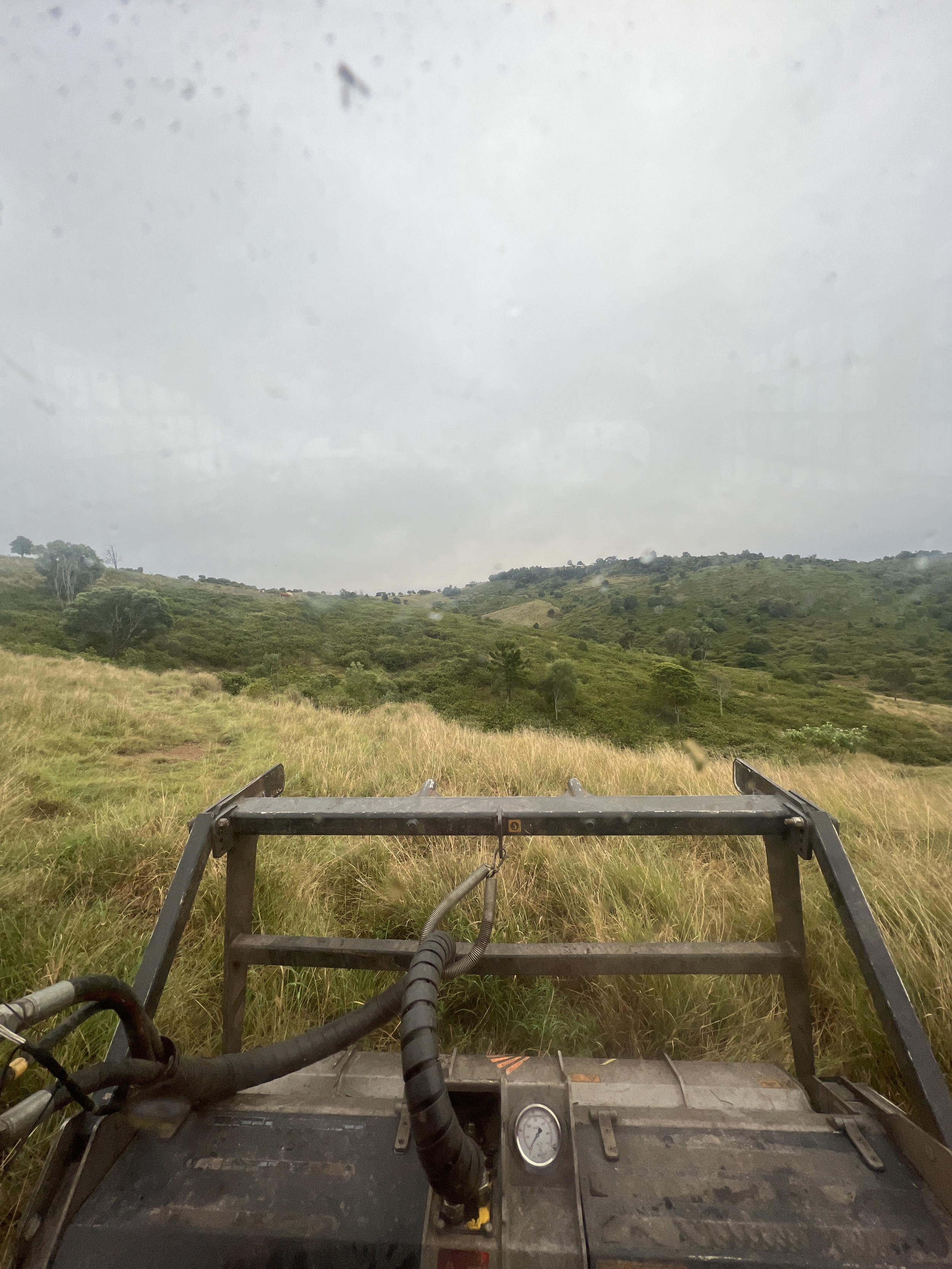
Image — Before: Lantana and invasive scrub had taken over the country.
Step 2 — Seed it
This is where most operators stop. We don't. Once the mulch is down, the country gets seeded with a carefully selected variety chosen to suit the soil, the aspect and the end use — in this case, grazing country.
The right seed in the right window will outcompete the lantana regrowth before it gets a foothold. The wrong seed, or the right seed at the wrong time, won't.
Step 3 — Treat the regrowth
Lantana doesn't give up easily. Even with a clean mulch and a good pasture strike, you'll get regrowth coming through. The third step is treating it with a select herbicide — but only at the right growth stage. Hit it too early or too late and you're wasting your money.
"Mulching alone won't get you here. Without the right seed and the right herbicide at the right time, you're back to lantana in 18 months."
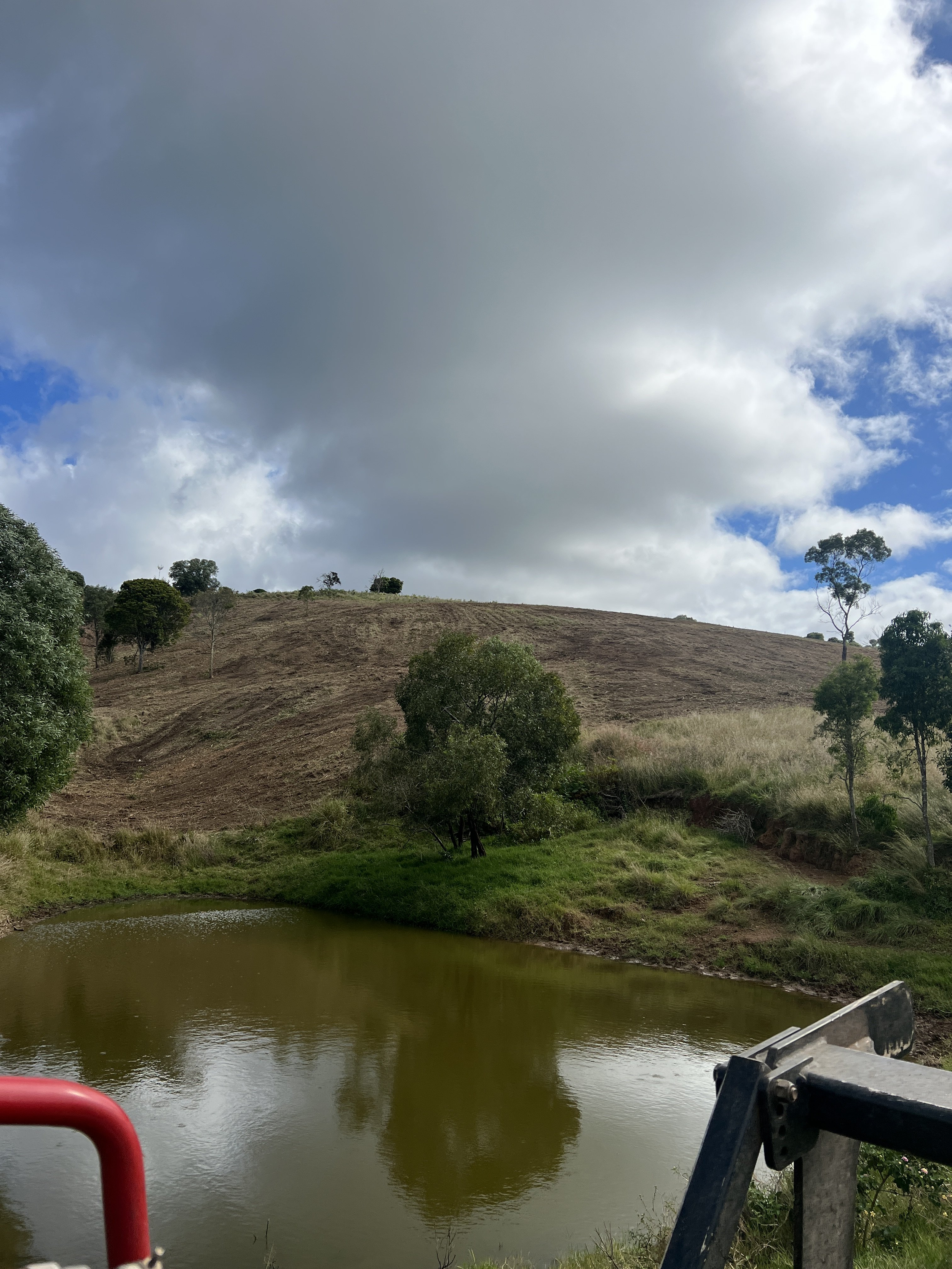
Image — Straight after mulching: clean slate, perfect seed bed.
12 months on
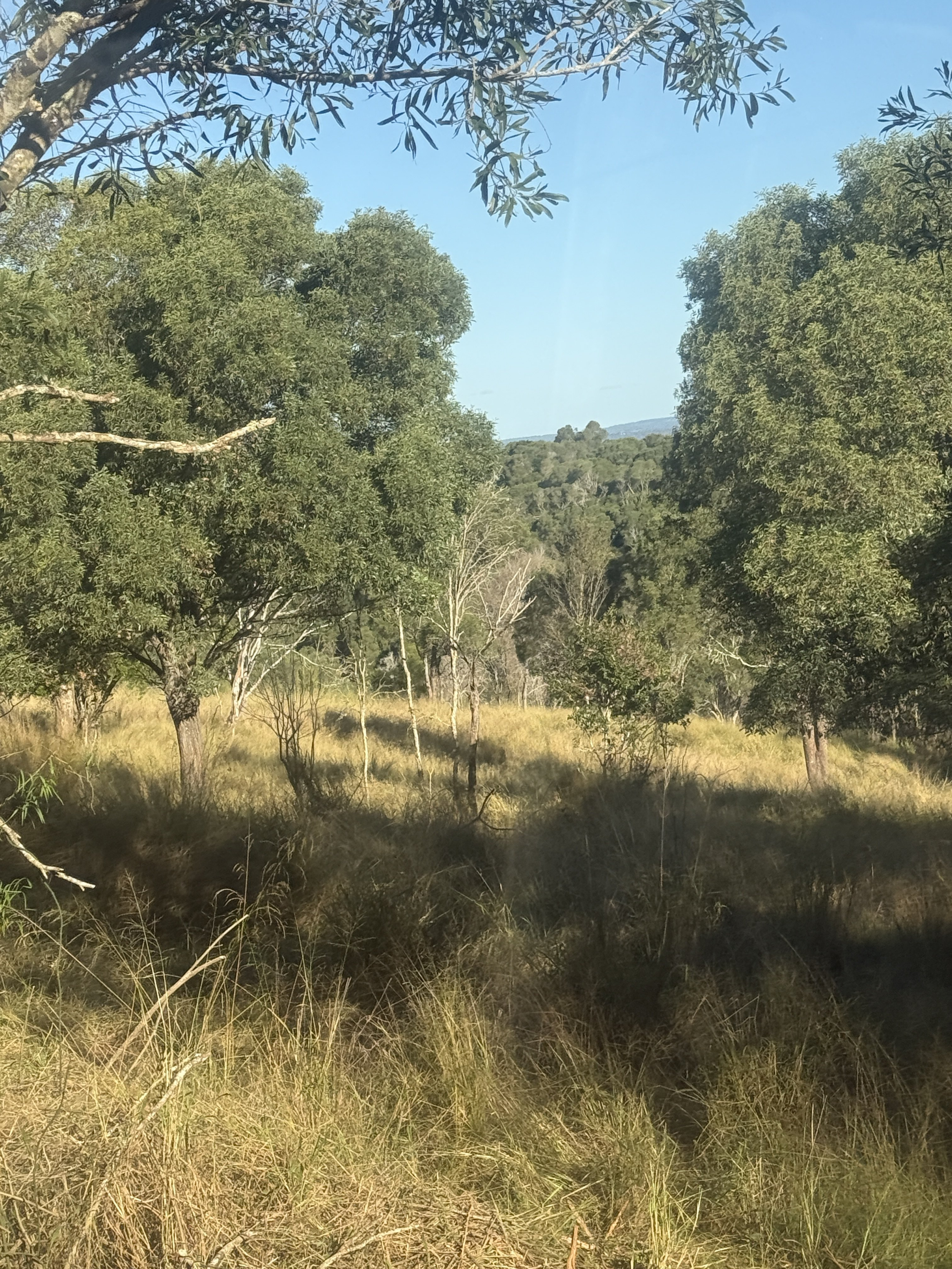
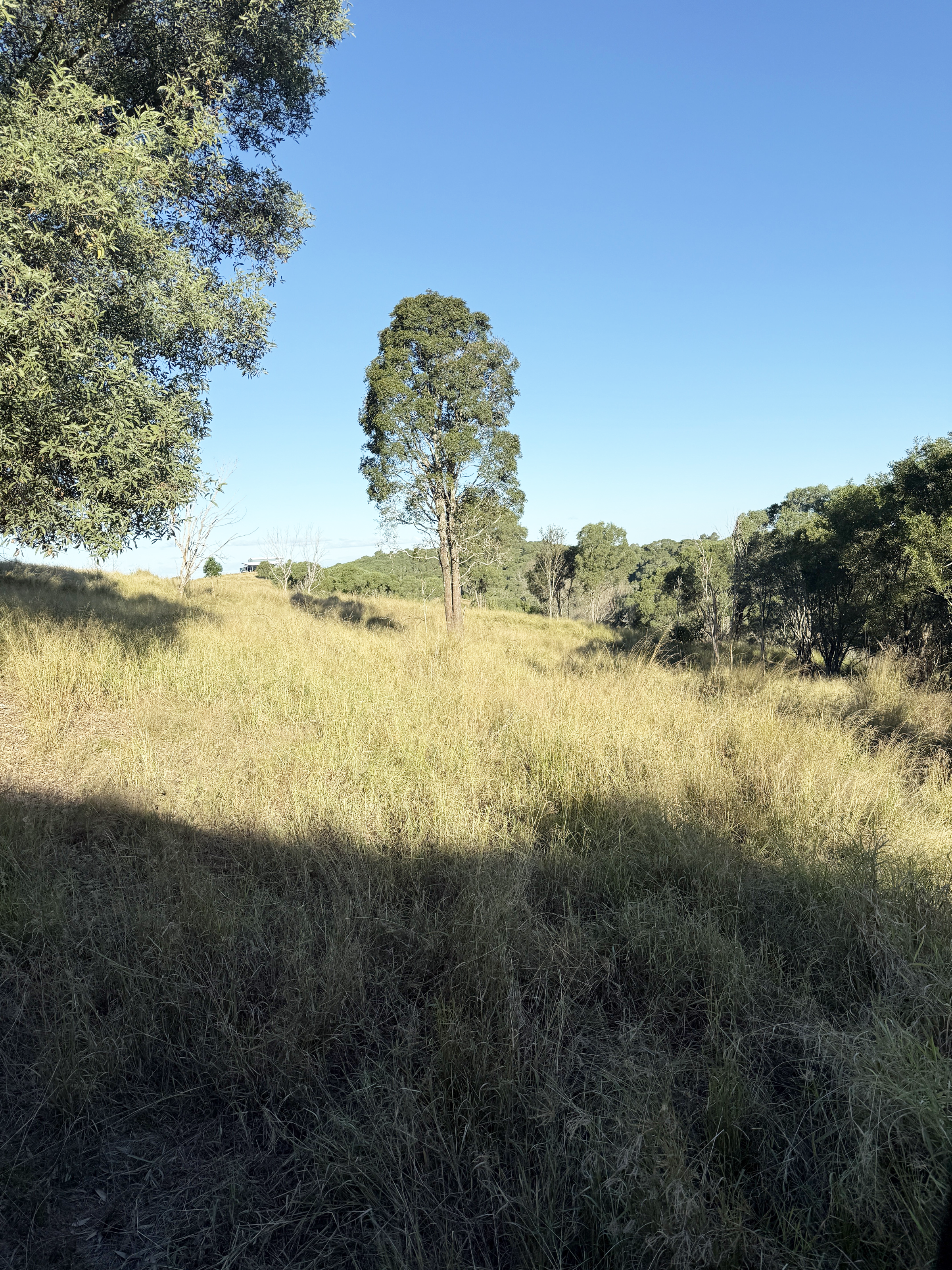
These two photos were taken on the same property this week. Strong pasture across the slope, mature trees retained, no erosion, and the country is genuinely productive again — running cattle where there was none twelve months ago.
Why timing matters more than equipment
There's plenty of mulching contractors out there. There's plenty of before-and-after photos on social media too. What you can't see from a photo is whether the operator actually understood what was needed at each stage of the year — when to mulch, when to seed, when to spray, and how long to leave the country between each step.
Image — Today: established pasture across the slope.
Get the timing wrong on any one of those three steps and the lantana wins. We've seen plenty of properties that were mulched 12 months ago by someone else and are already back to square one.
Every property is different. Soil type, slope, rainfall, lantana density and what the landowner wants to do with the country afterwards all change the approach. That's why every job starts with an assessment.
Got country that needs the same treatment?
Fusion Forestry Mulching & Earthworks specialises in lantana control and pasture restoration across South East Queensland — Sunshine Coast Hinterland, South Burnett, Gympie region and Darling Downs.
Get in touch for a free assessment:
☎ 0449 790 139
■ fusionforestry.com.au
✉ jayson@fusionforestry.com.au
